No, you’re not deaf. Your attention span & STANAG 6001 score
Why your attention span determines your STANAG 6001 score (and how to fix it)
When most candidates fail the STANAG 6001 Listening test, they blame their English level.
But for the majority, the real problem is much simpler — and more scientific:
👉 Your attention span is too weak for the demands of the exam.
Yes, vocabulary matters.
Yes, grammar helps.
But without the ability to stay focused for 10–12 minutes of fast, dense, military speech, you will miss essential details — even if your English is “good.”
In this post, we break down:
-
why attention span is the #1 factor in STANAG performance
-
how modern life is destroying your focus
-
how to train your brain for Level 3
-
what type of listening you actually need
-
how to use the Level +1 Rule to grow faster
1. STANAG Listening Is Not “Normal Listening”
Most learners train with:
-
Netflix
-
YouTube
-
podcasts
-
classroom recordings
None of these match the cognitive reality of the exam.
STANAG requires you to process:
-
fast native speakers
-
unfamiliar topics
-
complex arguments
-
numbers, locations, decisions, consequences
-
one listen only
-
answers in 8 seconds (JFLT exam)
This creates cognitive load — your brain becomes overloaded before the recording ends.
That’s why candidates report things like:
“My brain freezes.”
“I think I’m deaf.”
“I understood the first 30 seconds… then I got lost.”
This is not a language problem.
This is an attention endurance problem.
2. Modern Life Has Destroyed Your Ability to Focus
Quick reality check:
-
TikTok trains you to focus for 5–12 seconds
-
Instagram stories for 2–6 seconds
-
YouTube shorts for 15 seconds
-
Netflix for 30–60 seconds before the scene changes
Your brain is not used to long-form input.
But the STANAG exam expects you to stay concentrated for 600+ seconds.
That’s the equivalent of running a half-marathon…
when you’ve only trained for a 100-metre sprint.
3. How to Train Your Attention Span for STANAG
Here is what actually works:
Step 1 — Increment Method
Start small, then grow:
Day 1 → 2 minutes
Day 2 → 3 minutes
Day 3 → 4 minutes
…continue until you reach 10–12 minutes.
Step 2 — Use “Level +1” Materials
If you understand 90%, the material is too easy.
Improvement comes only when input is slightly above your current level.
This is called Level +1.
It forces your brain to stretch, adapt, and grow.
Step 3 — Train with Military Content
Level 3 topics come from:
-
international security
-
cyber defence
-
peacekeeping
-
logistics
-
global threats
-
intelligence
-
geopolitics
-
humanitarian operations
Your listening practice must include these themes.
4. The Fastest Way to Improve (with Structure)
If you want a step-by-step system that trains:
✔ long-form attention
✔ cognitive endurance
✔ military vocabulary
✔ prediction and memory
✔ Level +1 input
✔ exam-style listening tasks
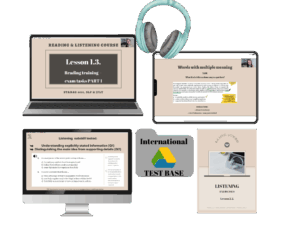
…then the Reading & Listening Course for Level 3 is built exactly for you.
It was designed for soldiers with:
-
limited time,
-
high pressure,
-
short attention span,
-
and specific exam goals.
👉 Check the course here.
Final Thoughts
Your English is not the problem.
Your attention is.
Train it correctly — and Level 3 becomes not just possible, but achievable.
Tag:stanaglistening